Numbers become meaningful when children can touch, move, compare, and talk about them. Early math activities at home give those experiences a familiar setting. The kitchen, couch, backyard, and grocery bag can all become learning spaces. A child does not need a formal lesson to notice more and less. They need an invitation to look closely. That invitation may begin with blocks, buttons, fruit, or footsteps. Everyday moments keep math connected to real decisions. They also make practice easier to repeat. When math feels useful, children become more willing to explore it.
Why Early Math Activities at Home Need a Simple Landing Spot
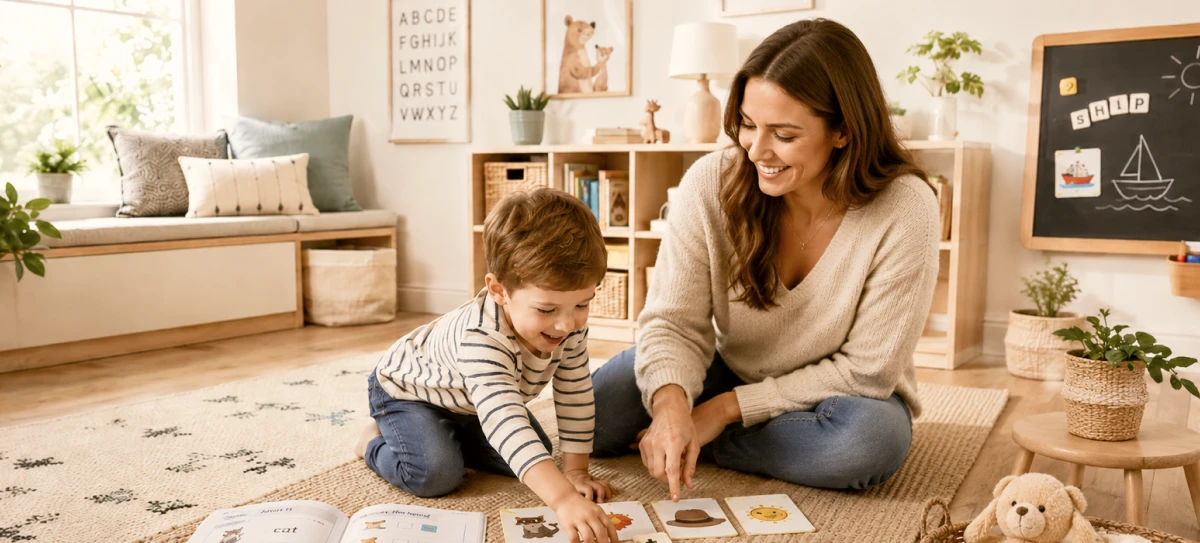
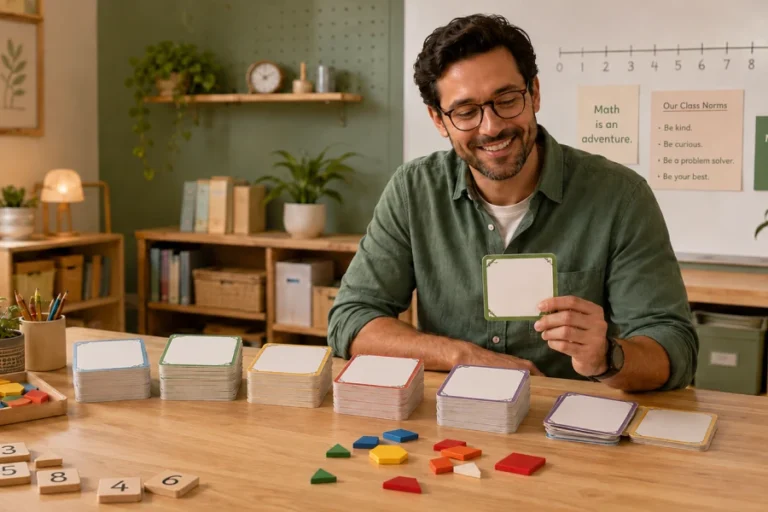
A prepared math space does not need to be large or permanent. A small basket can hold cards, counters, dice, and crayons. Bring it out when attention and energy line up. The basket signals that play is about to begin. It also removes the scramble of finding materials later. Start with one activity instead of several choices. That keeps the invitation clear for young learners. A counting tray or number-card game works well for quick practice. Ease helps parents return to the routine consistently. A simple setup lowers the chance that math will feel like one more task.
Small Materials Create Big Possibilities
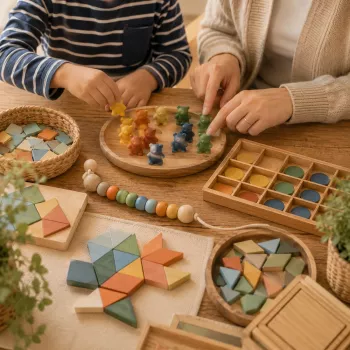
The best math materials often already live in your home. Socks can become pairs for matching and counting. Snack pieces can make addition stories feel deliciously concrete. Measuring cups create natural language around full, empty, more, and less. Coins invite sorting by size, color, and value. Dice bring surprise to number games. Paper strips become simple pattern tools. Toys can line up in groups for comparison. These ordinary objects lower the barrier to trying something new. They also show children that math belongs in daily life. Familiar materials encourage spontaneous practice between planned activities.
How Early Math Activities at Home Turn Daily Life Into Practice
Daily routines offer more math than many families realize. Ask your child to count apples before washing them. Compare two towers before choosing which one is taller. Notice the pattern in striped socks or sidewalk tiles. Use a timer to make waiting more visible. Invite your child to set out the right number of napkins. Simple questions help them connect numbers to action. The goal is not to quiz them at every moment. Instead, leave a little room for noticing. That approach makes math feel available rather than imposed. Over time, children start pointing out number ideas on their own.
Rotate, Do Not Reinvent
Families often stop planning because every activity seems to require something new. Rotation solves that problem without reducing interest. Choose a few reliable themes and return to them often. One week might center on counting and comparing. Another can use dice, cards, or pretend store play. Save favorite activities for low-energy days. Bring back materials that your child understands well. The variation comes from the context, not constant novelty. Repetition strengthens confidence while rotation keeps the experience fresh. Children often enjoy an activity more once they know how to begin.
When Early Math Activities at Home Match a Child’s Energy
Not every day calls for the same kind of practice. Some afternoons have room for a longer measuring mission. Other days only allow five minutes with number cards. Both kinds of learning matter. Watch for the moment when your child is ready to engage. Then choose an activity that matches the available energy. A calm choice prevents math from becoming another demand. This flexibility is especially helpful for busy families. Children learn that numbers remain friendly even when time is short. That lesson can last much longer than a single game.
A Calmer Week Starts With Early Math Activities at Home
Math routines become sustainable when they work around family life. Pick two or three predictable moments for simple play. After breakfast, before dinner, or during a weekend reset can work well. Keep expectations small enough to meet consistently. Celebrate the effort instead of waiting for a perfect answer. Make a quick note when a skill suddenly feels easier. Those tiny wins show children that progress is real. Over time, counting, sorting, comparing, and measuring begin to connect. The purpose is not to rush ahead. It is to make math feel like a welcoming part of the week.