Early literacy grows through many small experiences, not one perfect lesson. Learn to read activities at home make those experiences easier to notice and repeat. A child can find letters in a favorite game, hear sounds during a song, or retell a story before bed. Each moment supports a different part of reading growth. Families do not need to copy a classroom to create meaningful practice. They need a few flexible choices that fit real energy and attention. A warm approach keeps reading associated with connection. That feeling can carry children through the more challenging stages ahead.
Why Learn to Read Activities at Home Need a Flexible Starting Point
Children arrive at literacy from different places. One may love stories but avoid letters. Another may spot every sign but lose interest in sitting still. A flexible routine meets the child who is actually in front of you. Begin with what already attracts their attention. Use picture books, alphabet games, sound hunts, or a favorite character. There is no need to force the same starting point every day. A flexible entry point lowers resistance and gives adults more ways to respond well. This approach keeps the learning experience connected to a child’s actual interests.
A Reading Space Should Invite, Not Impress
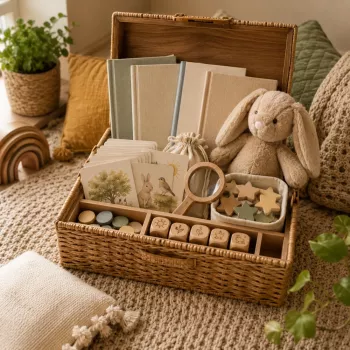
A useful reading space can be simple and comfortable. A small basket of books, picture cards, and crayons is enough. Choose a place where your child already enjoys spending time. Add a soft seat, clear surface, or small tray for activities. Keep only a few materials visible at once. Too many choices can make it harder to begin. Rotate items when interest starts to fade. The space should feel like an invitation rather than a display. When children can reach the materials themselves, they are more likely to return without being asked.
How Learn to Read Activities at Home Keep Sounds and Words Connected
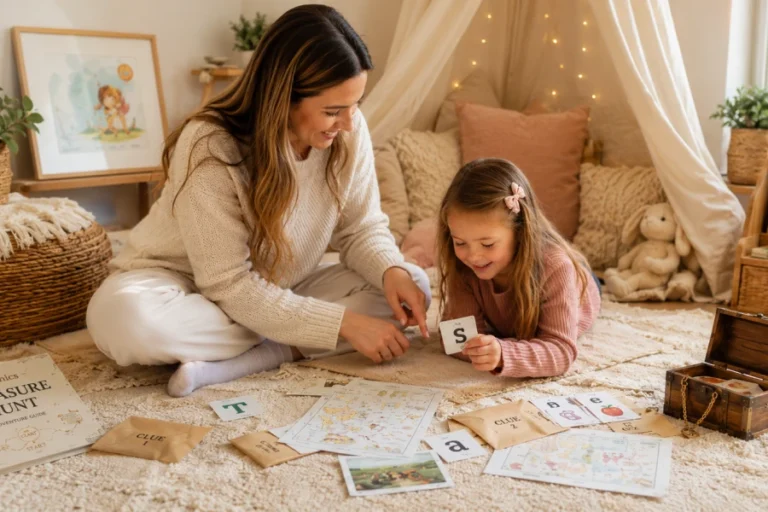
Sound work feels more useful when children can see where it leads. Pair a phonics card with a picture or a simple word family. Let children hunt for a sound in the room, then place it beside a letter. Use a short word path or a matching game to connect listening and print. These experiences show that letters represent sounds they already know. Keep the practice brief and specific. Clear connections help children feel capable before they read independently. That feeling of capability makes future reading attempts feel less intimidating.
Stories Turn Practice Into Meaning
Children need to know that reading is about more than sounding out words. Stories give the skill an emotional purpose. Pause during a read-aloud and invite a prediction. Ask what a character might do next. Let your child retell one favorite part using their own words. Picture walks can help them notice clues before reading begins. These conversations build language, memory, and confidence together. They also remind children that books hold ideas worth returning to. A story-based routine can balance more focused phonics practice. Meaning keeps the work connected to enjoyment.
When Learn to Read Activities at Home Match Everyday Energy
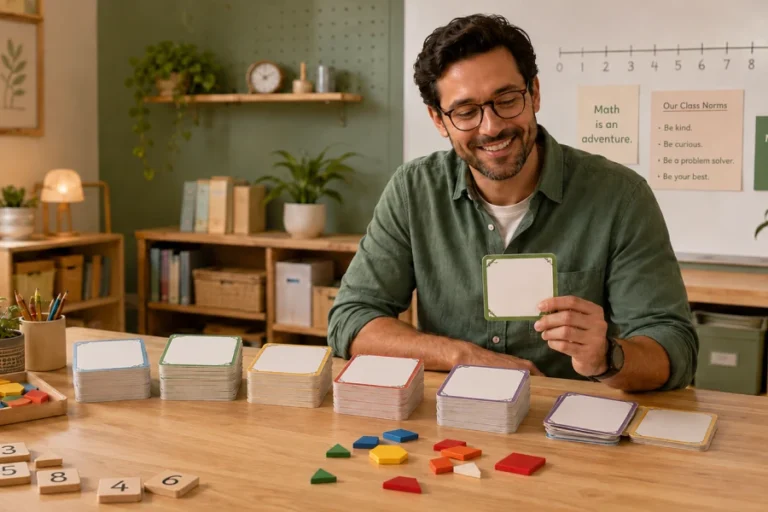
Literacy routines work best when they can shift with the day. A rainy afternoon may support a longer story game. A tired evening may only need a familiar rhyme. Five minutes with a sight-word path can be enough after a busy day. Bedtime can become a natural home for retelling and picture talk. The key is choosing an activity that fits the moment. This adaptability keeps learning from feeling like another fixed demand. Children learn that reading can meet them where they are. Parents gain a routine that survives ordinary interruptions.
Build Momentum With Learn to Read Activities at Home
Progress becomes easier to see when families save what works. Keep a small list of favorite books, games, and sound activities. Bring them back often enough for children to notice their own growth. Celebrate the moment a child recognizes a word or tells more of a story. Avoid rushing to replace every familiar activity. Repetition gives children a chance to become fluent within a safe routine. Add new challenges slowly and with clear support. Over time, the pieces begin to connect: sounds, letters, words, stories, and confidence. That connected experience is what makes early literacy feel possible.